
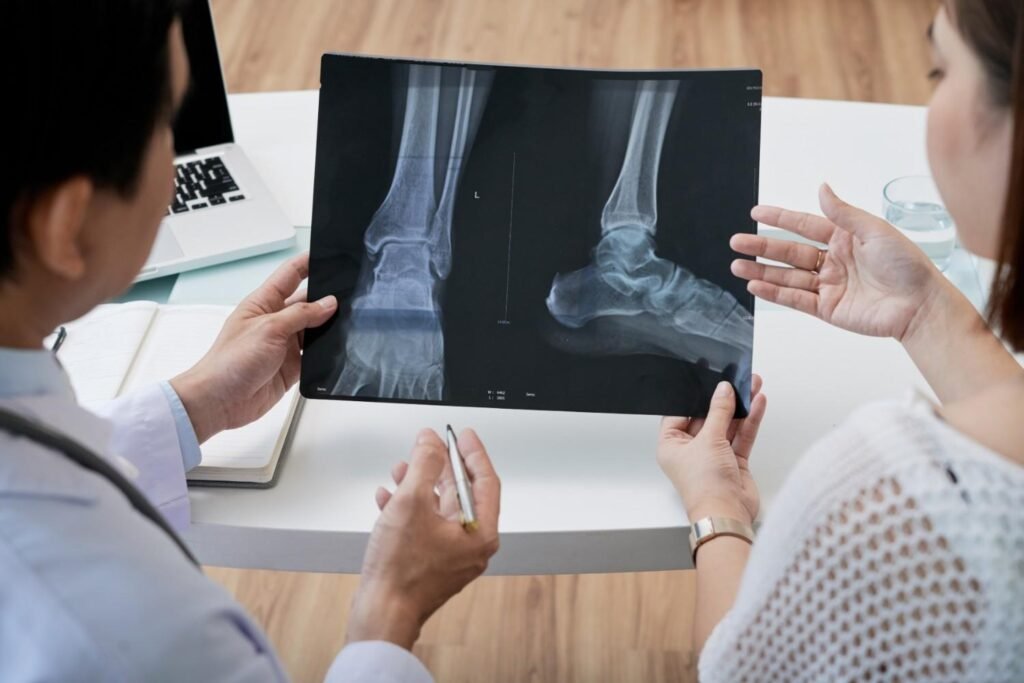
Joint pain can make everyday activities such as walking, climbing stairs, and standing difficult. When medication, physiotherapy, and other conservative treatments no longer provide sufficient relief, joint replacement may be considered. Robotic Joint Replacement in Gurugram offers an advanced surgical approach that helps orthopedic surgeons plan procedures according to a patient’s individual joint anatomy. With detailed planning and technology-assisted guidance, this approach may support accurate implant positioning and improved joint function.
Dr. Lovey Singhal provides orthopedic care for patients experiencing joint problems. Understanding how robotic-assisted surgery works can help patients make informed decisions about their treatment options.
Want to talk directly with us on Click Now Whatsapp?
What Is Robotic Joint Replacement?
Robotic joint replacement is an advanced technique used in certain knee and hip replacement procedures. It combines the surgeon’s expertise with computer-assisted planning and robotic technology.
The system helps the surgeon assess the joint, plan implant placement, and guide specific surgical steps. The surgeon remains in control throughout the procedure. The technology supports surgical decisions rather than performing the operation independently.
Patients considering Robotic Joint Replacement in Gurugram should understand that suitability depends on their diagnosis, joint condition, overall health, and the surgeon’s assessment.
How Robotic Technology Improves Surgical Precision
Precision is important during joint replacement because implant position and alignment can influence joint movement and function. Robotic-assisted systems provide detailed information that helps surgeons plan the procedure.
1. Personalized Surgical Planning
Every patient’s joint structure is different. Computer-assisted planning helps the surgeon evaluate individual anatomy and determine an appropriate surgical approach.
This personalized assessment supports decisions about implant size, positioning, and alignment. The final plan is adjusted according to the patient’s needs and the findings during surgery.
2. Greater Control During Surgery
Robotic technology can provide real-time guidance and help the surgeon follow the planned surgical boundaries, depending on the system used.
This may improve consistency when preparing the joint and positioning the implant. However, outcomes still depend on the surgeon’s experience, the patient’s condition, and other clinical factors.
3. Support for Joint Alignment
Correct alignment is an important goal of knee and hip replacement surgery. Robotic-assisted planning helps surgeons assess joint mechanics and implant positioning.
Appropriate alignment may support comfortable movement and stable joint function. Nevertheless, no surgical technique can guarantee a specific outcome for every patient.
How Robotic Joint Replacement May Support Recovery
Recovery after joint replacement varies from person to person. The type of procedure, general health, muscle strength, and rehabilitation plan all influence how quickly a patient returns to daily activities.
Robotic-assisted surgery may offer several potential benefits when used for suitable patients.
- Planned surgical approach: Detailed planning helps the surgeon prepare for the procedure based on the patient’s anatomy.
- Potentially less disruption to surrounding tissues: Depending on the technique and individual case, careful surgical guidance may help limit unnecessary tissue damage.
- Earlier rehabilitation when appropriate: Pain management and supervised movement can help patients begin rehabilitation safely.
- Improved functional movement: Successful joint replacement can reduce arthritis-related pain and help patients regain mobility over time.
It is important to remember that robotic assistance does not automatically mean less pain, a shorter hospital stay, or faster recovery. These outcomes depend on several medical and surgical factors.
Who May Benefit From Robotic Joint Replacement in Gurugram?
Robotic-assisted joint replacement may be considered for people with advanced joint damage, particularly when osteoarthritis causes persistent pain and restricted movement.
A consultation may be appropriate if you experience:
- Persistent knee or hip pain despite non-surgical treatment.
- Difficulty walking, standing, or climbing stairs.
- Joint stiffness that interferes with everyday activities.
- Reduced mobility caused by advanced arthritis.
- Joint damage that affects your quality of life.
Not everyone with joint pain requires surgery. An orthopedic specialist may recommend medication, physiotherapy, lifestyle changes, or other treatments before considering joint replacement.
What to Expect Before and After Surgery
Before surgery, the orthopedic team evaluates your medical history, symptoms, joint movement, and diagnostic imaging. This assessment helps determine whether robotic-assisted surgery is suitable.
After the procedure, rehabilitation plays a major role in recovery. Patients may receive guidance on walking, prescribed exercises, pain management, and wound care.
Following medical advice is essential. Attend follow-up appointments and increase activity gradually under professional supervision. Contact your medical team if you experience fever, worsening pain, unusual wound discharge, or sudden swelling.
Choosing the Right Specialist for Robotic Joint Replacement in Gurugram
Choosing an orthopedic surgeon involves more than selecting a particular technology. Patients should consider the surgeon’s experience with joint replacement, the suitability of the recommended procedure, rehabilitation support, and the expected benefits and risks.
During your consultation with Dr. Lovey Singhal, discuss your symptoms, treatment history, surgical options, and recovery expectations. Ask whether robotic-assisted surgery is appropriate for your condition and what alternatives are available.
A clear understanding of the procedure helps you make a confident, informed decision.
Conclusion
Robotic Joint Replacement in Gurugram combines surgical expertise with advanced planning and technology-assisted guidance. It may help improve the precision of implant positioning and support joint function in appropriately selected patients. However, successful recovery also depends on individual health, surgical technique, and consistent rehabilitation.
If persistent knee or hip pain affects your daily life, consult Dr. Lovey Singhal for an orthopedic evaluation. The right treatment plan should be based on your joint condition, personal needs, and realistic recovery goals.
Frequently Asked Questions
1. Is robotic joint replacement better than traditional surgery?
Robotic-assisted surgery can support personalized planning and precise implant positioning. However, its advantages vary by patient and procedure, and it is not necessarily better for every individual.
2. Does robotic joint replacement reduce recovery time?
Some patients may experience benefits that support rehabilitation, but faster recovery is not guaranteed. Overall health, pain management, surgical factors, and physiotherapy influence recovery time.
3. Is robotic joint replacement suitable for all patients?
No. Suitability depends on the joint affected, the severity of damage, medical history, and the surgeon’s assessment.
4. How long does recovery take after joint replacement?
Recovery varies according to the procedure and the patient’s health. Many patients begin assisted walking soon after surgery, while regaining strength and returning to normal activities may take several weeks or months.
5. How can I know whether I need robotic joint replacement?
An orthopedic evaluation can help identify the cause of joint pain and determine whether conservative treatment or joint replacement is appropriate. Your surgeon can also explain whether robotic assistance may benefit your specific case.
For more information about Dr. Lovey Singhal, visit https://share.google/JEW53rJdgCOGwK33g to learn more about their services or to book an appointment.