
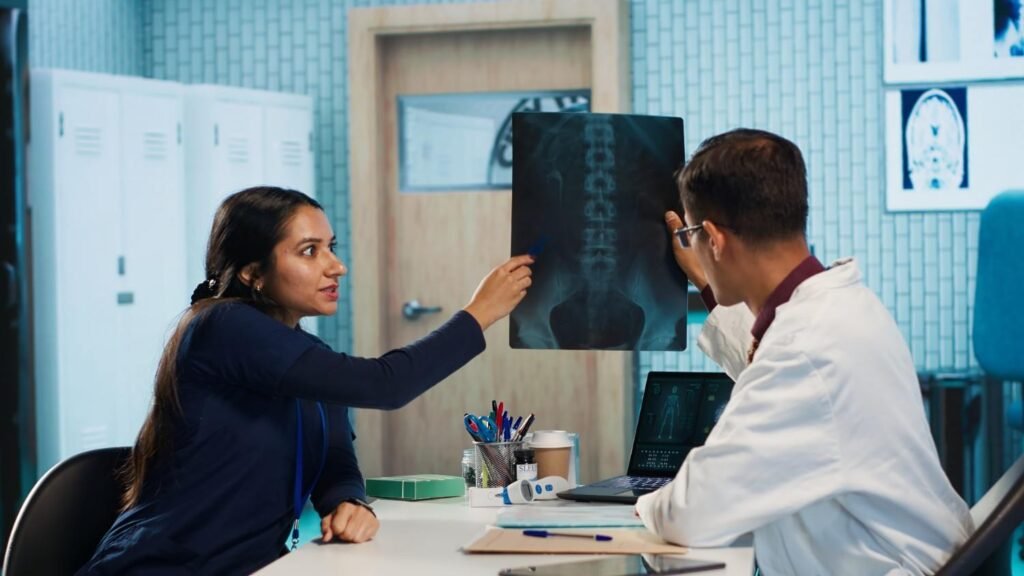
Bone and joint problems can affect mobility, comfort, and everyday activities. Whether you experience persistent knee pain, back pain, a sports injury, or joint stiffness, timely medical evaluation can help identify the cause and guide treatment. Consulting an experienced Orthopaedic Doctor in Gurugram can help you understand your condition and explore suitable treatment options based on your needs.
Orthopaedic care focuses on conditions affecting bones, joints, muscles, ligaments, tendons, and related structures. Choosing the right specialist is an important step towards managing pain, improving movement, and maintaining an active lifestyle.
Want to talk directly with us on Click Now Whatsapp?
When Should You Consult an Orthopaedic Doctor in Gurugram?
Many people ignore joint discomfort until it starts interfering with daily life. However, persistent or recurring symptoms should not be overlooked. An orthopaedic consultation can help determine whether the problem requires medication, physiotherapy, lifestyle changes, or further treatment.
Consider consulting an orthopaedic specialist if you experience:
- Persistent knee, hip, shoulder, or back pain.
- Difficulty walking, standing, or climbing stairs.
- Joint stiffness or a reduced range of movement.
- Pain or swelling following an injury.
- Repeated sports-related injuries.
- Difficulty performing routine activities because of musculoskeletal discomfort.
An early assessment may help prevent unnecessary delays in diagnosis. Severe pain, an obvious fracture, significant swelling after an injury, or an inability to bear weight may require urgent medical attention.
What Does an Orthopaedic Surgeon in Gurugram Treat?
An Orthopaedic Surgeon in Gurugram evaluates bone and joint conditions and can recommend both surgical and non-surgical treatment, depending on the diagnosis. Surgery is not always necessary. Many conditions can initially be managed with conservative approaches.
Common conditions treated by orthopaedic specialists include:
Knee and Hip Joint Problems
Osteoarthritis can cause pain, stiffness, and difficulty moving the knee or hip. Treatment may include medication, activity modification, physiotherapy, and other appropriate interventions. Joint replacement may be considered when advanced joint damage causes substantial symptoms despite non-surgical treatment.
Sports Injuries and Ligament Damage
Sports and physical activities can sometimes lead to ligament injuries, muscle strains, and joint instability. An orthopaedic evaluation helps determine the extent of the injury and whether rehabilitation or surgery may be appropriate.
Fractures and Bone Injuries
Fractures require assessment to determine the location, severity, and stability of the injury. Treatment may involve immobilisation, casting, or surgery, depending on the circumstances.
Back Pain and Musculoskeletal Conditions
Back pain may result from muscle strain, spinal problems, or other underlying conditions. A specialist can assess symptoms, recommend appropriate investigations when needed, and develop a treatment plan based on the findings.
How to Choose the Right Orthopaedic Specialist
Finding the right specialist involves more than searching for a nearby clinic. Consider these factors before making your decision.
Relevant clinical experience: Look for a doctor with appropriate qualifications and experience in evaluating your particular condition. Patients considering joint replacement should ask about the surgeon’s experience with the recommended procedure.
Accurate diagnosis: Effective treatment begins with understanding the cause of the problem. Your doctor may review your medical history, conduct a physical examination, and recommend imaging or other tests when clinically necessary.
Clear communication: A good consultation should help you understand your diagnosis, available treatment options, potential risks, and expected recovery. You should feel comfortable asking questions and discussing concerns.
Individualised treatment planning: Every patient has different symptoms, activity levels, and medical needs. Treatment should be tailored to the individual rather than based on a one-size-fits-all approach.
Rehabilitation and follow-up: Recovery may require physiotherapy, prescribed exercises, activity modifications, and regular follow-up appointments. Ask how your progress will be monitored throughout treatment.
Why Personalised Orthopaedic Care Matters
The same symptom can have different causes in different patients. For example, knee pain may be associated with osteoarthritis, an injury, or inflammation. Treating the symptom without identifying its cause may not provide lasting relief.
A qualified orthopaedic specialist considers the patient’s symptoms, medical history, physical examination findings, and diagnostic results before recommending treatment. Depending on the condition, management may include pain-relief strategies, physiotherapy, supportive devices, or surgical intervention.
Patients researching an Orthopaedic Doctor in Gurugram should look for clear explanations and realistic expectations. No treatment can guarantee identical results for everyone. Understanding the benefits, limitations, and possible risks of each option supports informed decision-making.
Consult an Orthopaedic Doctor in Gurugram for Bone and Joint Care
Persistent pain and restricted movement can affect your independence and quality of life. Seeking professional advice can help you understand the underlying problem and determine the next steps.
Dr. Lovey Singhal provides orthopaedic care, including evaluation of joint conditions and guidance on appropriate treatment options. If you are looking for an Orthopaedic Surgeon in Gurugram, discuss your symptoms, previous treatments, and recovery goals during your consultation.
The right treatment plan should be based on an accurate diagnosis, relevant clinical expertise, and your individual needs. Timely evaluation and appropriate follow-up can help you make informed decisions about your bone and joint health.
Frequently Asked Questions
1. When should I consult an Orthopaedic Doctor in Gurugram?
You should consult an orthopaedic doctor if you experience persistent joint pain, swelling, stiffness, difficulty walking, or discomfort that affects daily activities.
2. What conditions does an Orthopaedic Surgeon in Gurugram treat?
An orthopaedic surgeon treats conditions affecting bones, joints, ligaments, muscles, and tendons, including fractures, sports injuries, arthritis, and certain spinal conditions.
3. Do all orthopaedic problems require surgery?
No. Many orthopaedic conditions can be managed with medication, physiotherapy, lifestyle modifications, and other non-surgical treatments. Surgery is considered when clinically appropriate.
4. How do I choose the right Orthopaedic Doctor in Gurugram?
Consider the doctor’s qualifications, relevant clinical experience, diagnostic approach, communication, and ability to explain treatment options and recovery expectations.
5. When is joint replacement recommended?
Joint replacement may be recommended when severe joint damage causes persistent pain and limited mobility despite appropriate non-surgical treatment. An orthopaedic specialist can assess whether it is suitable for you.
6. Can an orthopaedic specialist help with sports injuries?
Yes. An orthopaedic specialist can evaluate sports injuries, determine their severity, and recommend suitable treatment, rehabilitation, or surgery when necessary.
For more information about Dr. Lovey Singhal, visit https://share.google/JEW53rJdgCOGwK33g to learn more about their services or to book an appointment.