
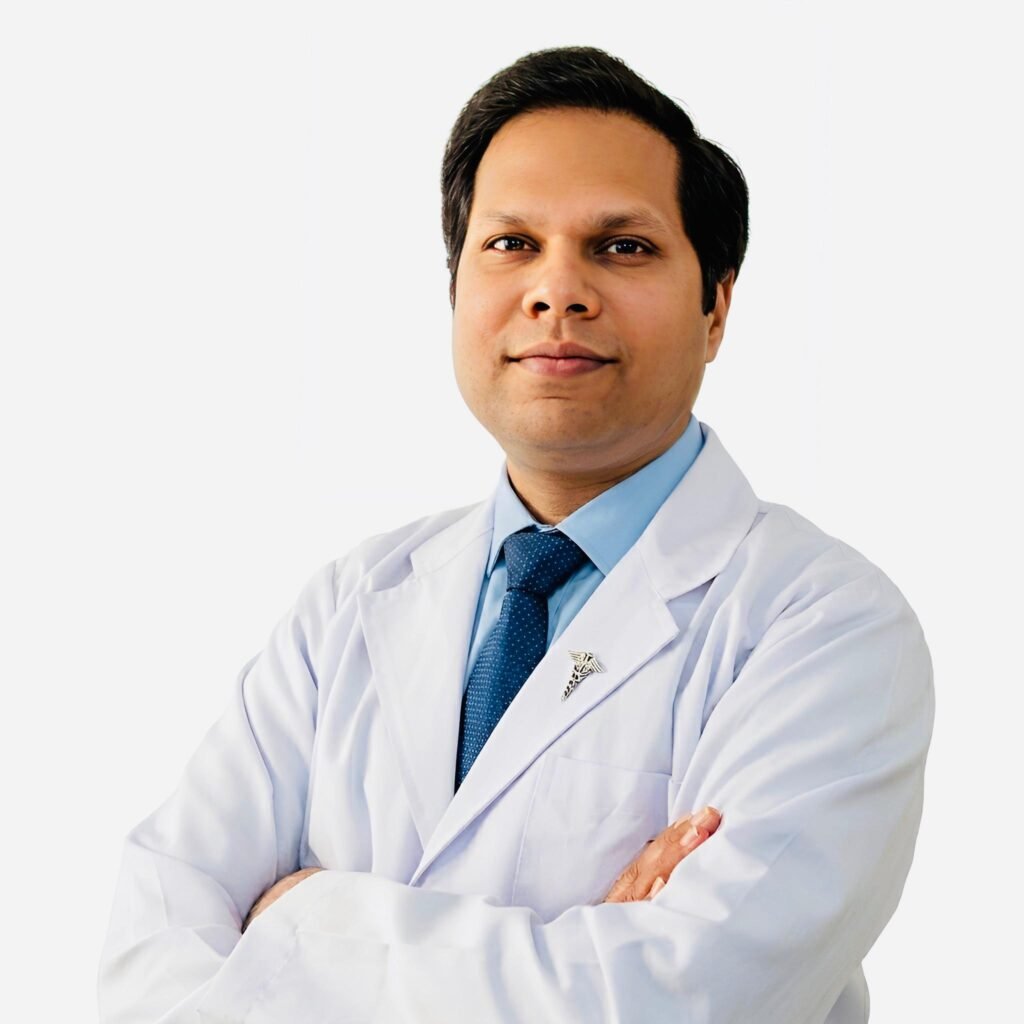
Bone and joint problems can affect people of all ages, from sports injuries and fractures to arthritis, knee pain, and mobility issues. Choosing the Best Orthopaedic Surgeon in Sector 56 Gurugram can help you understand the underlying cause of your symptoms and receive appropriate treatment. Dr. Lovey Singhal provides orthopaedic care focused on diagnosing and managing conditions affecting bones, joints, muscles,s and supporting tissues.
Whether you are experiencing persistent knee pain, shoulder discomfort, a sports injury or difficulty moving a joint, timely orthopaedic evaluation can help prevent symptoms from interfering with daily activities.
Want to talk directly with us on Click Now Whatsapp?
Common Conditions Treated by an Orthopaedic Surgeon in Sector 56 Gurugram
Orthopaedic specialists manage a wide range of musculoskeletal conditions. These problems may develop gradually because of ageing and joint wear or occur suddenly due to an injury.
Common conditions include:
- Knee pain and arthritis
- Hip and shoulder problems
- Sports injuries
- Ligament and meniscus injuries
- Fractures and bone injuries
- Joint stiffness and reduced mobility
- Tendon and muscle injuries
- Degenerative joint conditions
- Back and neck-related musculoskeletal problems
Joint pain can have several causes, including injury and conditions such as arthritis. Persistent or worsening pain should be evaluated rather than ignored.
Knee Pain and Osteoarthritis Treatment
Knee pain is one of the most common reasons people seek orthopaedic care. It can result from an injury, overuse, ligament damage, meniscus problems, or osteoarthritis.
Osteoarthritis gradually affects the cartilage within a joint and can lead to pain, stiffness, and difficulty with movement. The knees and hips are among the joints commonly affected by osteoarthritis.
The Best Orthopaedic Surgeon in Sector 56 Gurugram can assess your symptoms, medical history and physical condition before recommending an appropriate treatment plan. Depending on the severity of the condition, treatment may include activity modification, exercise, physiotherapy, medicines, injections or surgical procedures where appropriate.
Early assessment is particularly useful when knee pain starts affecting walking, climbing stairs, exercising or routine activities.
Treatment for Sports Injuries
Sports injuries can involve muscles, tendons, ligaments, cartilage or bones. Common examples include ligament tears, meniscus injuries, sprains and fractures.
Knee injuries such as ACL and meniscus tears may occur during twisting, pivoting, sudden movements, or sports activities.
An orthopaedic assessment helps determine the severity of an injury and whether conservative treatment or a surgical approach may be required. Rehabilitation and gradual return to activity are also important parts of recovery.
If you have persistent pain, swelling, instability, or restricted movement after a sports injury, consulting the Best Orthopaedic Surgeon in Sector 56 Gurugram can help identify the problem and guide the next steps.
Fracture and Bone Injury Management
Fractures can occur because of falls, accidents, sports injuries, or weakened bones. Depending on the location and severity of the fracture, treatment may involve immobilisation, medication, follow-up imaging, rehabilitation or surgery.
Prompt medical evaluation is important after a significant injury, especially when there is severe pain, swelling, deformity, or difficulty putting weight on the affected limb.
An orthopaedic surgeon evaluates the injury and determines the most suitable method for supporting proper bone healing and restoring function.
Shoulder, Hip and Other Joint Problems
Orthopaedic problems are not limited to the knees. Shoulder, hip, ankle, elbow and other joints can also develop pain, stiffness or reduced mobility.
Shoulder problems may occur because of overuse, tendon injuries, trauma, or age-related changes. Hip pain can affect walking and everyday movement. Similarly, ankle and elbow injuries can make routine activities difficult.
The Best Orthopaedic Surgeon in Sector 56 Gurugram can evaluate the affected joint and identify whether the symptoms are related to an injury, inflammation, degeneration, or another musculoskeletal condition.
Treatment is based on the diagnosis rather than simply treating the pain. Depending on the condition, care may include physiotherapy, medicines, activity modification, supportive treatment, injections or surgery.
When Should You See an Orthopaedic Surgeon in Sector 56 Gurugram?
Occasional muscle or joint discomfort may improve with rest. However, persistent or recurring symptoms should not be ignored.
Consider an orthopaedic consultation if you experience:
- Persistent joint or bone pain
- Repeated swelling
- Difficulty walking or climbing stairs
- Reduced joint movement
- Joint instability
- Pain after an accident or sports injury
- Persistent stiffness
- Difficulty performing everyday activities
- Pain that affects sleep or normal movement
Medical evaluation is especially important when joint pain becomes severe, repeatedly returns,s or interferes with normal activities.
Diagnosis and Personalised Orthopaedic Care
A proper diagnosis is an important part of effective orthopaedic treatment. During a consultation, the doctor may review your symptoms, medical history, and previous injuries and perform a physical examination.
Depending on the suspected condition, diagnostic tests such as X-rays or other imaging may be recommended. For certain joint conditions, additional investigations may help rule out other causes.
The treatment approach should consider the patient’s age, activity level, symptoms, severity of the condition, and overall health. This allows the Best Orthopaedic Surgeon in Sector 56 Gurugram to develop a treatment plan suited to the individual’s needs.
Non-Surgical and Surgical Treatment Options
Not every orthopaedic condition requires surgery. Many joint and musculoskeletal problems can initially be managed with non-surgical approaches.
These may include:
- Physiotherapy and guided exercises
- Activity modification
- Weight management where appropriate
- Pain management
- Supportive devices
- Injections when clinically indicated
- Rehabilitation
For osteoarthritis, regular exercise, appropriate weight management and other supportive treatments may help manage symptoms. Surgery may be considered when symptoms remain significant despite other treatments or when joint damage is severe.
When surgery is required, the recommended procedure depends on the specific condition and extent of damage. An orthopaedic surgeon can explain the available options, expected recovery,y and rehabilitation requirements.
Choosing the Right Orthopaedic Care in Sector 56 Gurugram
Choosing an orthopaedic specialist is an important step when pain or injury starts affecting your quality of life. Look for a doctor who carefully evaluates your condition, explains treatment options clearly, and develops a plan based on your individual needs.
For residents looking for the Best Orthopaedic Surgeon in Sector 56 Gurugram, Dr. Lovey Singhal offers professional orthopaedic consultation and treatment for a range of bone and joint conditions.
Conclusion
Bone and joint conditions can affect movement, independence and everyday comfort. From knee arthritis and sports injuries to fractures and shoulder or hip problems, timely diagnosis can help guide appropriate treatment.
If persistent pain, stiffness, swelling, or restricted movement is affecting your daily life, consulting the Best Orthopaedic Surgeon in Sector 56 Gurugram can help you understand the cause and explore suitable treatment options. With proper evaluation, personalised care and appropriate rehabilitation, many orthopaedic conditions can be managed effectively while supporting better mobility and function.
Frequently Asked Questions
1. What conditions does an orthopaedic surgeon treat?
An orthopaedic surgeon can diagnose and treat conditions involving bones, joints, muscles, ligaments and tendons. These include arthritis, fractures, sports injuries, knee problems, shoulder conditions,s and other musculoskeletal disorders.
2. When should I consult an orthopaedic surgeon for knee pain?
You should consider an orthopaedic consultation when knee pain persists, repeatedly returns, causes swelling or stiffness, limits movement, or interferes with walking and daily activities.
3. Does every joint problem require surgery?
No. Many orthopaedic conditions can initially be managed with non-surgical treatments such as exercise, physiotherapy, medication, activity modification,n and other supportive approaches. Surgery depends on the diagnosis and severity of the condition.
4. Can sports injuries be treated without surgery?
Some sports injuries can improve with rest, rehabilitation, physiotherapy and other conservative treatments. However, the appropriate approach depends on the type and severity of the injury.
5. How is osteoarthritis treated?
Treatment may include exercise, weight management, pain management, physiotherapy, and other supportive measures. In selected cases where symptoms remain severe, surgical treatment may be considered.