
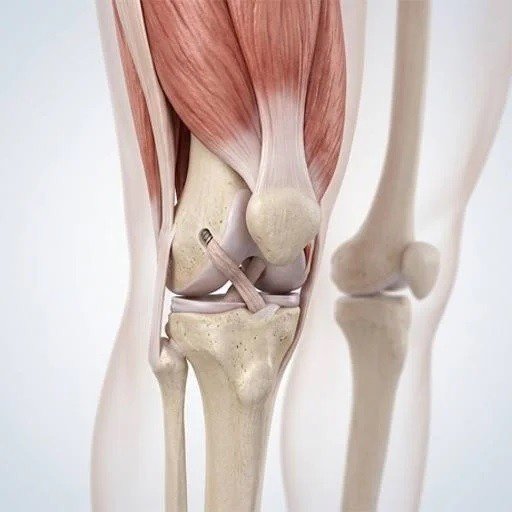
An ACL tear is a common knee injury, especially among athletes and people involved in physically demanding activities. ACL Reconstruction Surgery in Gurugram may be recommended when the ligament is completely torn, the knee remains unstable, or non-surgical treatment does not restore normal function. Early assessment by an experienced orthopaedic specialist can help determine the most suitable treatment based on the injury and the patient’s activity level.
Want to talk directly with us on Click Now Whatsapp?
What Is an ACL Tear?
The anterior cruciate ligament (ACL) is one of the major ligaments that stabilizes the knee. It helps control forward movement and rotational stability of the joint.
An ACL tear commonly occurs when a person suddenly changes direction, lands incorrectly after a jump, stops abruptly, or receives a direct impact to the knee. Sports such as football, basketball, cricket, and skiing can increase the risk of this injury.
Symptoms may include:
- Sudden knee pain
- A popping sensation at the time of injury
- Swelling within a few hours
- Difficulty walking
- Reduced knee movement
- A feeling that the knee may give way
When Is ACL Reconstruction Surgery Needed?
Not every ACL injury requires immediate surgery. The treatment depends on the severity of the tear, knee stability, age, activity level, associated injuries, and individual goals.
ACL Reconstruction Surgery in Gurugram may be considered when:
- The ACL is completely torn.
- The knee repeatedly gives way.
- The patient wants to return to pivoting or high-impact sports.
- Physiotherapy does not provide adequate stability.
- Other knee structures, such as the meniscus, are also injured.
- Knee instability affects daily activities.
A detailed clinical examination and imaging, usually including an MRI, can help assess the extent of the injury.
ACL Reconstruction Surgery in Gurugram: How It Helps
ACL reconstruction aims to restore knee stability by replacing the damaged ligament with a suitable graft. The procedure is usually performed using minimally invasive arthroscopic techniques.
During arthroscopic ACL reconstruction, small incisions are made around the knee. A camera helps the surgeon examine the joint and perform the reconstruction with precision.
The choice of graft and surgical technique depends on several factors, including the patient’s age, activity level, anatomy, and associated injuries.
The primary goal of ACL Reconstruction Surgery in Gurugram is not only to improve stability but also to support a safe return to normal activities and sports.
ACL Injury Treatment Before Surgery
In some cases, surgery may not be the first step. Initial treatment can focus on reducing pain and swelling and improving knee movement.
A structured rehabilitation programme may include:
- Rest and activity modification
- Ice application when appropriate
- Medication as prescribed
- Physiotherapy
- Strengthening of the thigh and surrounding muscles
- Exercises to restore knee movement
This approach may be suitable for selected patients, particularly those with partial tears or lower physical demands. However, persistent instability may require surgical evaluation.
Recovery After ACL Reconstruction Surgery in Gurugram
Recovery after ACL reconstruction is a gradual process. Surgery is only one part of successful treatment. Rehabilitation plays an equally important role.
Initially, the focus is on controlling swelling, restoring knee movement, and protecting the reconstructed ligament. Later, physiotherapy focuses on improving muscle strength, balance, coordination, and functional movement.
Returning to sports should not be based only on the number of weeks after surgery. Strength, stability, movement control, and functional recovery should also be assessed.
Following the rehabilitation programme carefully can help improve recovery and reduce the risk of further knee problems.
Why Choose an Experienced ACL Reconstruction Surgeon?
ACL reconstruction requires careful surgical planning and appropriate post-operative rehabilitation. An experienced orthopaedic surgeon evaluates the complete condition of the knee before recommending surgery.
Dr. Lovey Singhal provides orthopaedic care for sports-related knee injuries and ligament conditions. A detailed consultation can help determine whether conservative management or ACL Reconstruction Surgery in Gurugram is appropriate.
The treatment plan should always be individualized according to the patient’s injury, lifestyle, physical demands, and recovery goals.
Preventing Further ACL-Related Problems
After recovery, maintaining good muscle strength and movement control is important. Patients should gradually return to physical activities and follow appropriate warm-up and conditioning routines.
Sports-specific training can also help improve balance, coordination, and landing mechanics. However, the timing and intensity of activity should be guided by the treating orthopaedic specialist and physiotherapist.
Conclusion
An ACL tear can significantly affect knee stability and physical activity. While some injuries may be managed with rehabilitation, complete tears with persistent instability may require ACL Reconstruction Surgery in Gurugram.
Early diagnosis, appropriate surgical planning, and structured rehabilitation are essential for a successful recovery. If you have persistent knee instability after an ACL injury, consult Dr. Lovey Singhal for an evaluation and an individualized treatment plan.
Frequently Asked Questions
1. Does every ACL tear require surgery?
No. Some patients can manage selected ACL injuries with physiotherapy and activity modification. Surgery may be considered when instability persists or when the patient requires a stable knee for sports or demanding activities.
2. How is an ACL tear diagnosed?
Diagnosis generally involves a physical examination and imaging. An MRI may be recommended to assess the ACL and identify associated meniscus or cartilage injuries.
3. How long does recovery after ACL reconstruction take?
Recovery varies between individuals. A structured rehabilitation programme is required, and returning to sports should occur only after adequate strength, stability, and functional recovery.
4. Can I walk normally after ACL reconstruction?
Walking ability generally improves progressively after surgery. The rehabilitation plan and recovery timeline depend on the surgical procedure and the patient’s individual condition.
5. Can an ACL tear heal on its own?
A completely torn ACL has limited natural healing potential. However, treatment decisions depend on the extent of injury, knee stability, activity level, and individual requirements.
For more information about Dr. Lovey Singhal, visit https://share.google/JEW53rJdgCOGwK33g to learn more about their services or to book an appointment.