
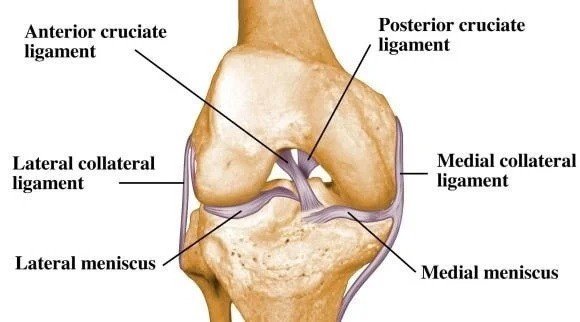
A Posterior Cruciate Ligament (PCL) injury can affect knee stability, walking ability, and participation in everyday activities. While some PCL injuries improve with non-surgical treatment, others may require specialised surgical care. PCL Reconstruction Surgery in Gurugram is an important treatment option for patients with severe ligament tears, persistent knee instability, or associated knee injuries. Understanding when surgery is necessary can help patients make informed decisions about their recovery.
What Is a Posterior Cruciate Ligament (PCL) Injury?
The Posterior Cruciate Ligament is one of the major ligaments inside the knee joint. It connects the thigh bone (femur) to the shin bone (tibia). Its primary function is to prevent the shin bone from moving too far backwards.
A PCL injury usually occurs due to a strong impact or sudden force on the knee. Road accidents, sports injuries, and falls are common causes. Depending on the severity, the ligament may stretch partially or tear completely.
Early diagnosis is important because untreated severe injuries can lead to ongoing knee instability and difficulty performing routine activities.
Want to talk directly with us on Click Now Whatsapp?
Common Symptoms of a PCL Tear
PCL injuries may cause symptoms that vary depending on the extent of ligament damage. Some patients experience mild discomfort, while others develop significant knee instability.
Common symptoms include:
- Pain at the back of the knee.
- Swelling around the knee joint.
- Difficulty walking or climbing stairs.
- A feeling that the knee is unstable or giving way.
- Reduced knee movement and flexibility.
- Discomfort while running or participating in sports.
If these symptoms continue after an injury, consulting an orthopaedic specialist is important. Timely evaluation can help prevent further complications.
When Is PCL Reconstruction Surgery Needed?
Not every PCL tear requires surgery. Mild and moderate injuries may respond well to conservative treatment, including physiotherapy, activity modification, and knee support.
However, PCL Reconstruction Surgery in Gurugram may be recommended in certain situations.
1. Complete PCL Tear
A complete ligament tear can significantly affect knee stability. If the injury causes persistent instability, surgical reconstruction may be considered.
2. Persistent Knee Instability
Some patients continue experiencing knee weakness or a giving-way sensation despite completing rehabilitation. In such cases, surgery may help restore functional stability.
3. Combined Knee Ligament Injuries
PCL tears sometimes occur alongside injuries to other knee ligaments. These complex injuries may require surgical management to improve joint stability.
4. Active Individuals and Sports Injuries
Athletes and physically active individuals may experience difficulty returning to sports after a severe PCL injury. When non-surgical treatment does not provide sufficient stability, reconstruction may be considered.
The final decision depends on ligament damage, associated injuries, activity levels, and individual recovery goals.
How Is PCL Reconstruction Surgery Performed?
PCL reconstruction involves replacing the damaged ligament with a graft. The graft may be taken from the patient’s own tendon or obtained from an appropriate donor source.
The procedure is commonly performed using arthroscopic techniques, which involve small incisions and a camera to examine the knee joint.
During the procedure:
- The surgeon examines the knee and confirms the extent of ligament damage.
- The damaged ligament tissue is addressed.
- Small tunnels are created in the thigh and shin bones.
- The selected graft is positioned to recreate the function of the PCL.
- The graft is secured to provide appropriate knee stability.
The surgical approach depends on the patient’s injury pattern and overall knee condition.
Recovery After PCL Reconstruction Surgery
Recovery after PCL reconstruction requires patience and a structured rehabilitation programme. Healing time varies depending on the severity of the injury, surgical technique, and individual response to treatment.
The recovery process generally includes:
- Initial recovery: Managing pain and swelling while protecting the reconstructed ligament.
- Early rehabilitation: Following prescribed knee movements and exercises.
- Strength development: Gradually improving the strength of the quadriceps and surrounding muscles.
- Functional training: Working on balance, flexibility, and controlled movements.
- Return to activities: Resuming daily activities and sports only when medically appropriate.
Patients should follow their surgeon’s instructions and avoid returning to strenuous activities too early. Consistent physiotherapy plays an important role in achieving better functional outcomes.
Why Consult Dr. Lovey Singhal for PCL Injury Treatment in Gurugram?
Choosing the right orthopaedic specialist is an important part of managing a knee ligament injury. Dr. Lovey Singhal provides orthopaedic care with a focus on knee conditions, ligament injuries, and sports-related problems.
With over 15 years of experience, Dr. Lovey Singhal evaluates the nature of the injury and recommends treatment based on the patient’s clinical condition and recovery requirements.
Patients seeking PCL Reconstruction Surgery in Gurugram can benefit from an individualised treatment approach that considers knee stability, ligament damage, and long-term mobility.
Conclusion
A PCL tear can affect knee stability and make everyday movements challenging. While many injuries improve with conservative treatment, severe tears and persistent instability may require surgical reconstruction. Early diagnosis, appropriate treatment, and structured rehabilitation are essential for recovery.
If you are experiencing ongoing knee pain or instability after an injury, consult Dr. Lovey Singhal for an evaluation. Timely orthopaedic care can help identify the appropriate treatment approach and support your return to daily activities.
Frequently Asked Questions (FAQs)
1. Does every PCL tear require surgery?
No. Many mild and moderate PCL injuries can be managed with physiotherapy, knee support, and activity modification. Surgery is considered for severe or persistent cases.
2. How long does recovery take after PCL reconstruction surgery?
Recovery varies between patients. Returning to demanding physical activities or sports may take several months and requires medical clearance.
3. Can a PCL tear heal without surgery?
Some PCL injuries can heal sufficiently with appropriate non-surgical treatment and rehabilitation. The outcome depends on the severity of the tear.
4. Is PCL reconstruction surgery performed using arthroscopy?
Yes. Arthroscopic techniques are commonly used for PCL reconstruction. The surgeon determines the appropriate technique based on the injury.
5. When should I consult a doctor for a PCL injury?
Consult an orthopaedic specialist if you experience persistent knee pain, swelling, difficulty walking, or a feeling of instability following an injury.
For more information about Dr. Lovey Singhal, visit https://share.google/JEW53rJdgCOGwK33g to learn more about their services or to book an appointment.