
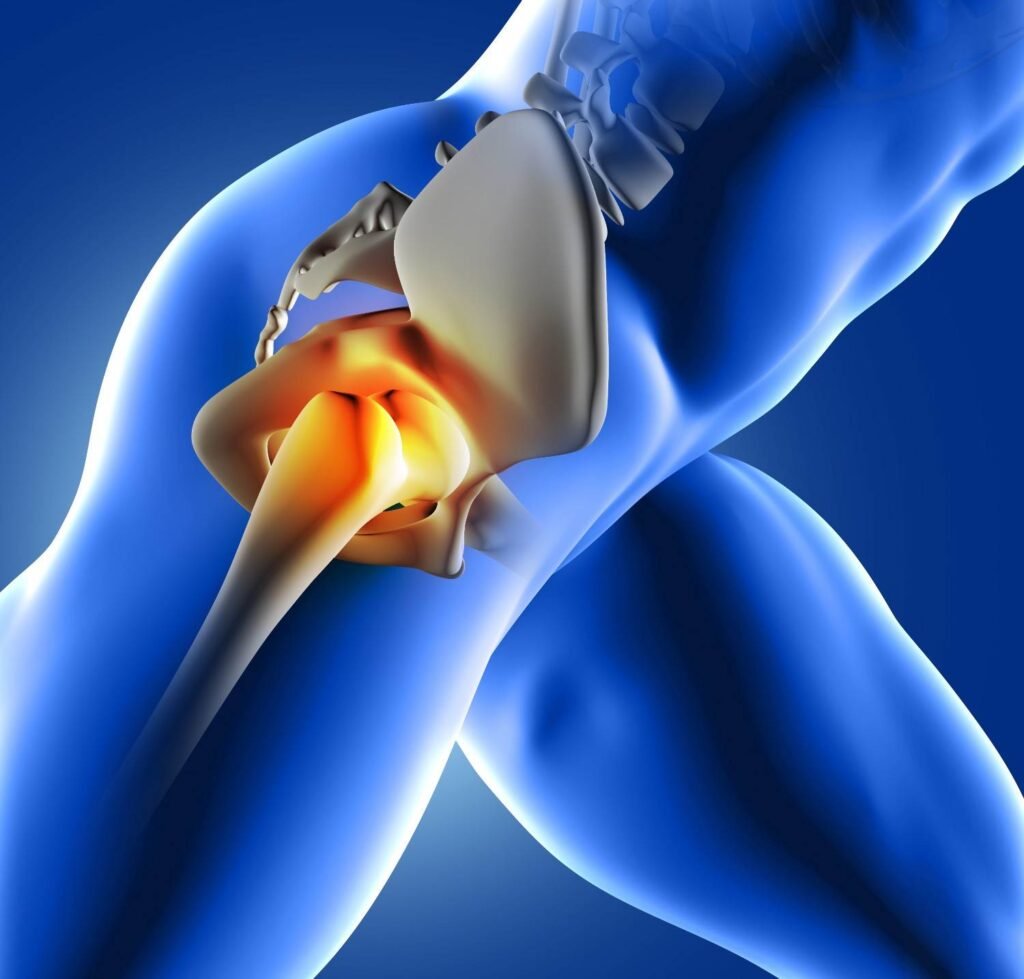
Hip pain can affect walking, climbing stairs, sitting, and other everyday activities. For patients with severe joint damage, Hip Replacement Surgery in Gurugram can be considered when medicines, physiotherapy, and other conservative treatments no longer provide sufficient relief. Patients seeking Hip Replacement Surgery in Sector 56 Gurugram can consult Dr. Lovey Singhal for a detailed evaluation and personalized treatment plan.
What Is Hip Replacement Surgery?
Hip replacement surgery is a procedure in which damaged parts of the hip joint are removed and replaced with artificial components. The main goals are to reduce pain, improve joint movement, and help suitable patients return to their daily activities.
The hip is a ball-and-socket joint that supports many routine movements. Conditions such as advanced arthritis, severe joint damage, fractures, and degenerative problems can affect its function. When the damage becomes significant, Hip Replacement Surgery in Gurugram may be recommended after a thorough clinical assessment.
When Is Hip Replacement Surgery Needed?
Hip replacement is not required for every person experiencing hip pain. Surgery may be considered when symptoms become persistent and significantly affect mobility or quality of life.
Common signs that may indicate the need for hip replacement include:
- Persistent or severe hip pain
- Difficulty walking or standing
- Pain while climbing stairs
- Reduced hip movement
- Difficulty performing routine activities
- Pain that does not improve with conservative treatment
- Advanced arthritis or significant joint damage
A detailed evaluation by an orthopaedic specialist can help identify the underlying cause and determine the most appropriate treatment.
Want to talk directly with us on Click Now Whatsapp?
How Does Hip Replacement Surgery Help Patients?
The primary purpose of Hip Replacement Surgery in Gurugram is to address a severely damaged hip joint and improve its function. For suitable patients, replacing the damaged joint surfaces can help reduce pain and make movement easier.
Helps Reduce Hip Pain
Severe arthritis and other hip conditions can cause persistent pain. Hip replacement may help reduce pain associated with damaged joint surfaces when other treatment options have not provided adequate relief.
Improves Mobility
Hip problems can make walking, standing, and climbing stairs difficult. Following appropriate recovery, patients may experience improved mobility and greater ease with everyday movements.
Supports Daily Activities
Simple activities such as getting out of a chair, walking around the house, or performing household tasks can become challenging with advanced hip damage. Successful hip replacement can help suitable patients gradually return to many normal activities.
Improves Quality of Life
Long-term hip pain can restrict physical activity and independence. By treating significant joint damage, hip replacement may help suitable patients become more comfortable and active.
Hip Replacement Surgery in Sector 56 Gurugram
Patients experiencing persistent hip pain, stiffness, or difficulty walking may benefit from a detailed orthopaedic evaluation. Hip Replacement Surgery in Sector 56 Gurugram may be considered when severe arthritis, joint damage, or other hip conditions significantly affect mobility and daily activities.
Before recommending surgery, Dr. Lovey Singhal evaluates the patient’s symptoms, medical history, physical condition, and imaging reports. This helps determine whether hip replacement is appropriate or whether non-surgical treatment may be more suitable.
For patients who require surgery, the treatment plan is tailored according to the condition of the hip joint and individual recovery needs. Appropriate rehabilitation and follow-up care are also important for improving mobility after the procedure.
Choosing an Orthopaedic Specialist in Gurugram
Choosing an experienced orthopaedic specialist is an important part of the treatment journey. The Best Orthopaedic Surgeon in Gurugram for an individual patient depends on factors such as the diagnosis, severity of joint damage, overall health, treatment requirements, and the surgeon’s experience with the relevant procedure.
Dr. Lovey Singhal provides a detailed assessment before recommending hip replacement surgery. The evaluation may include a physical examination, medical history, imaging studies, and a discussion of previous treatments.
Patients considering Hip Replacement Surgery in Gurugram can discuss their symptoms and treatment options during a consultation. A personalized approach helps ensure that the recommended treatment is based on the patient’s specific condition.
What to Expect After Hip Replacement Surgery?
Recovery after Hip Replacement Surgery in Gurugram varies from one patient to another. Rehabilitation is an important part of recovery and may include exercises to improve strength, flexibility, balance, and mobility.
Patients should follow their orthopaedic surgeon’s instructions regarding walking, exercises, wound care, medication, and follow-up visits. Gradual improvement is expected as the body heals and the muscles regain strength.
Recovery can depend on several factors, including age, general health, physical condition, type of procedure, and participation in rehabilitation.
Is Hip Replacement Surgery Suitable for Everyone?
No. Hip replacement is recommended only when it is considered appropriate for the individual patient’s condition. Some patients may benefit from medication, physiotherapy, activity modification, or other non-surgical treatments.
A consultation with the Best Orthopaedic Surgeon in Gurugram can help determine whether surgery is appropriate or whether another treatment approach should be considered.
Conclusion
Hip Replacement Surgery in Gurugram can help suitable patients manage significant hip pain, improve mobility, and return to everyday activities. For people looking for Hip Replacement Surgery in Sector 56 Gurugram, a thorough orthopaedic evaluation can help determine whether hip replacement is the right treatment option.
If persistent hip pain is affecting your mobility or daily life, consult Dr. Lovey Singhal for a detailed evaluation and discuss the treatment options suitable for your condition.
Frequently Asked Questions
1. What conditions may require hip replacement surgery?
Advanced arthritis, severe joint damage, certain hip fractures, and other conditions causing significant pain and loss of function may require hip replacement after appropriate evaluation.
2. How long does recovery take after hip replacement?
Recovery varies between patients. Age, general health, physical condition, type of surgery, and rehabilitation can influence the recovery process.
3. Can hip replacement improve walking?
For suitable patients, hip replacement can help reduce pain and improve hip function, which may make walking and other daily activities more comfortable after recovery.
4. Is physiotherapy needed after hip replacement?
Physiotherapy is commonly included in the recovery plan. Exercises can help improve muscle strength, flexibility, balance, and functional mobility.
5. When should I consult an orthopaedic surgeon for hip pain?
Consider an orthopaedic evaluation if hip pain is persistent, limits movement, affects daily activities, or does not improve with initial treatment.